What Changes When a Clean-Up Site Becomes a Planting Site
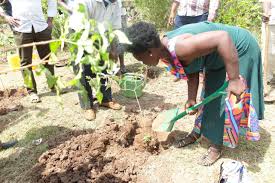
Clearing a dumping site is only the first step. Left alone, a cleared plot with no visible use tends to attract exactly the same dumping behaviour within weeks or months, because an empty, unclaimed space reads as available rather than protected.
The plots that have stayed clear longest are the ones we followed up with a deliberate planting, converting a former dumpsite into a small green corner with trees, and where space allows, a section for a household or two to run a kitchen garden nearby.
This is deliberate rather than incidental. A planted, visibly cared-for space signals ownership in a way an empty cleared lot does not, and residents are far more likely to protect and report new dumping near a space they can see growing something.
It also requires more coordination than a standard clean-up: confirming with local administration or the landowner that planting is acceptable, choosing species suited to what is often compacted or poor-quality soil left behind by years of dumping, and lining up a household or two nearby willing to keep an eye on the site.
It is slower and more resource-intensive than either a clean-up or a planting day alone, but the sites where we have done this have needed almost no repeat clean-up since, which makes the extra effort worth it wherever we can manage it.
Back to Blog